






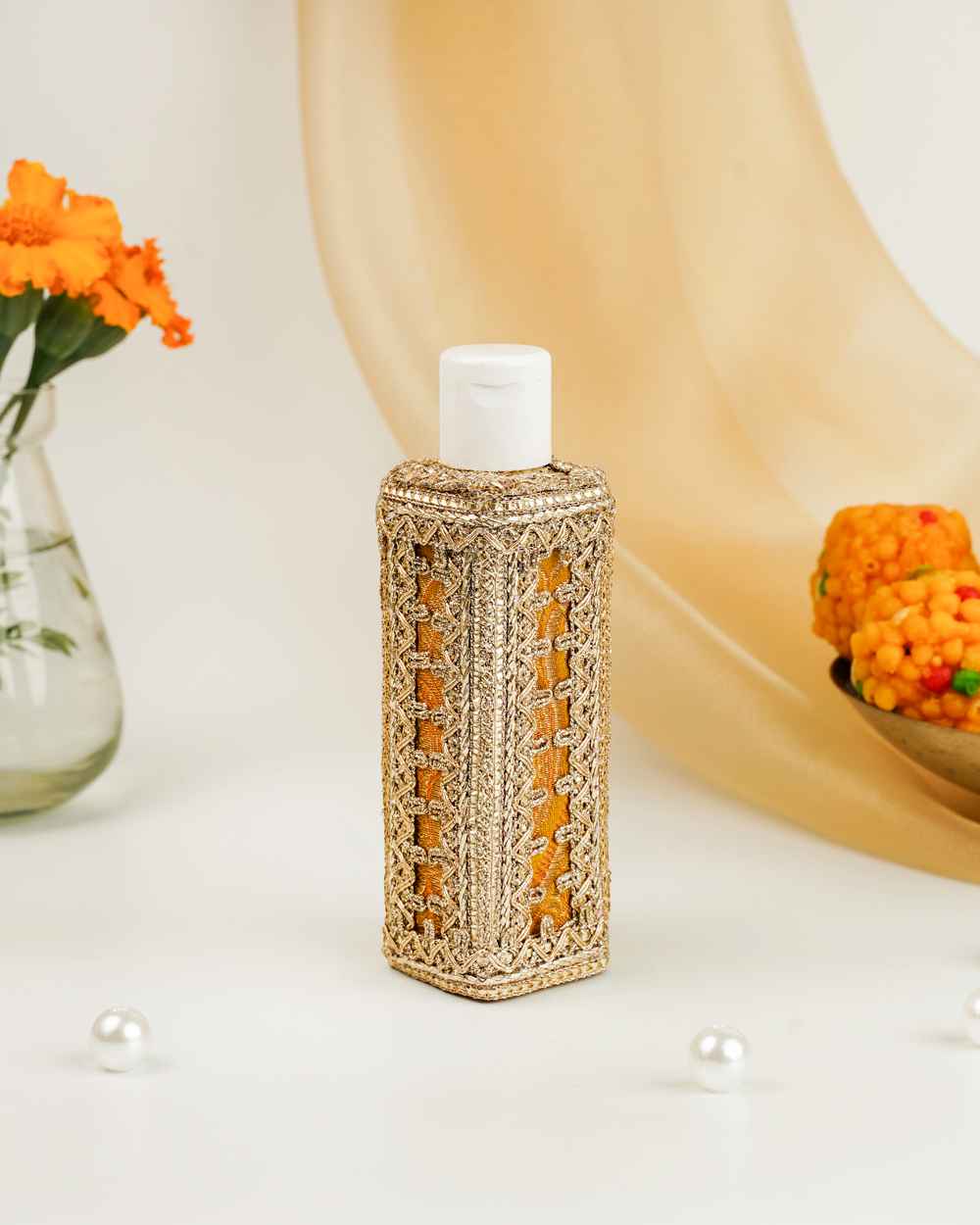
Because whether it’s haldi on your cheeks or a thread on your wrist, this is where the wedding truly begins to feel real and magical with all the emotions combined.
Jaggo-Ghadoli – From Dance Floors to Divine Showers
Now we turn the volume up.
Crazy all night dance madness!
If Punjabi weddings had a trailer – Jaggo would be it.
Jaggo is the one where sleep is cancelled, dance is mandatory, and the whole mohalla knows shaadi is happening. Copper pots with glowing lamps are balanced on heads, bells are shaken with style, and everyone from nani to neighbour is on the street dancing to folk songs and dhol.
Then, after all that night long masti comes the Ghadoli.
The morning after, the bride or groom is taken to the Gurudwara or temple by their aunts or sisters-in-law. Carrying decorated clay pots filled with holy water, they pour it over the soon to be dulha or dulhan as a sacred shower, washing off the haldi, and welcoming a fresh start.
From all night beats to morning blessings – this duo of rituals is where the real Punjabi spirit shines.
Mehendi & Sangeet/Gaun – Rang, Riwaaz, and Reel-Worthy Moves
If there’s one event where swag meets suhaag, it’s this one.
Mehendi is where the bride’s hands and feet are covered in deep red designs, the groom’s name is sneakily hidden, and aunties whisper, “Jinni gehri mehendi, ohna gehra pyaar.” Meanwhile, cousins twirl, dholkis echo, and gossip flows as freely as the chai.
But it doesn’t end there. Enter the Sangeet or Gaun, a night of full family entertainment. Think choreographed dances, surprise performances, dhol battles, and that one uncle who always ends up doing Gidda in loafers.
It’s dramatic. It’s emotional. It’s fun with a capital F.
This night is where generations come together, some on the beat, some proudly off-beat but everyone dancing like no one’s watching (except everyone is).
Laavan Phere – The Sacred Centre of It All
And then comes the most soul-stirring part, the wedding ceremony itself.
In Sikh weddings, the Anand Karaj takes place inside the Gurudwara, where the couple sits before the Guru Granth Sahib and takes four Laavan, sacred vows sung as they walk around the holy scripture.
No dramatic music, no spotlights
It’s just peace, prayers, and presence.
The air is filled with kirtan, the family sits in quiet emotion, and when the final laav is complete, there’s a sense of calm joy that settles in.
This is when the heart finally catches up with what the rituals have been saying all along.
Punjabi Wedding in 2025
Digital Ho Sakda, Par Dil Wale Hi Jeetde Ne
Sure, weddings in 2025 have drones, hashtags, Pinterest mood boards, and slow-motion baraat entries. But ask anyone who’s been part of a Punjabi wedding and they’ll tell you, it’s the rasmein that make the memories.
Whether it’s the sparkle of Gaana being tied to protect the bride and groom, the laughter of Jaggo, the golden glow of Haldi, the dhol-filled energy of Sangeet, or the peace of Laavan, every ritual is a story, a feeling, a moment you carry forever.
So, if you ever get invited, don’t just attend. Participate.
Dance like no one’s watching (even if the phuphar ji is), cry during bidaai, and eat like you’re fasting tomorrow.
Because when it comes to Punjab de Rasam Riwaj…
it’s not just a ceremony, it’s a feeling.